How IS Rosé Wine Made?
Ever wondered how rosé wine is made? Behind every glass of this beautifully pink wine lies a careful process that combines the structure of red grapes with the freshness of white winemaking. Rosé has become a symbol of easy sophistication — light, refreshing, and wonderfully versatile — but its creation requires skill, precision, and a touch of artistry.
If you’re passionate about premium selections or exploring wholesale wines for your business, understanding the craftsmanship behind rosé is essential.
Let’s explore the journey from grape to glass and discover, step by step, how rosé comes to life.
The Three Main Methods of Making RosÉ wine
There are several approaches to making rosé, each producing its own unique style and character.
Maceration Method
The most common and traditional technique, especially in regions like Provence and Navarra. The grapes are crushed and left in contact with their skins briefly before fermentation. This method produces pale, delicate rosés with bright fruit, floral notes, and a crisp, dry finish.
Saignée Method
From the French word saigner, meaning “to bleed.” Here, a small amount of juice is “bled off” from a batch of red wine after limited maceration. The remaining red wine becomes more concentrated, while the separated juice ferments into rosé. The result is a deeper-colored, fuller-bodied rosé with pronounced fruit and texture.
Blending Method
This involves adding a small portion of red wine to white wine to create the desired pink tone. Though uncommon for still wines, it is widely used for sparkling rosé, especially in Champagne. The blending method allows winemakers to fine-tune color and intensity with precision.
discoVer How Rosé Wine Is Made Step by Step
Choosing the Right Grapes
Every rosé begins in the vineyard. Although its color suggests something unique, rosé is actually made from red grape varieties, just like red wine. Common choices include Grenache, Syrah, Mourvèdre, Tempranillo, Pinot Noir, and Sangiovese.
The difference lies in when the grapes are picked. Grapes intended for rosé are often harvested earlier to retain bright acidity and fresh aromas. The goal is balance, ripe enough to express flavor, but not so mature that the wine becomes heavy.
For brands creating private label wine, grape selection is the foundation of style and identity — it determines not only the color but also the elegance and balance of the final rosé.
Harvesting and Crushing
Once the grapes reach the perfect stage of ripeness, they are carefully harvested and brought to the winery. There, they are gently crushed to release the juice. This clear juice, called “must,” will become the base for rosé.
Unlike red wines, where the juice remains in contact with the skins for days or weeks, rosé relies on limited skin contact to achieve its characteristic pink hue.
Limited Skin Contact
This step is what truly defines how rosé wine is made. After crushing, the juice sits with the grape skins for a short time — usually between two and twenty-four hours. During this maceration period, the juice absorbs a gentle tint and soft red-fruit flavors.
The winemaker monitors the color closely. Once the desired shade is achieved, the juice is separated from the skins through pressing. The result is a pale, aromatic liquid that will be transformed into wine through fermentation.
Short maceration gives rosé its elegance — not too deep, not too light, but perfectly balanced between freshness and flavor.
Fermentation
Once the juice has been separated from the skins, fermentation begins. Winemakers often choose cool fermentation temperatures to preserve the wine’s delicate aromas and fruit character.
During this stage, yeast transforms natural grape sugars into alcohol, creating the finished wine. Most rosés are fermented in stainless steel tanks, which maintain freshness and emphasize clean, fruity flavors.
The fermentation process also determines sweetness. If all the sugar is converted to alcohol, the result is a dry rosé. If fermentation stops early, a touch of residual sugar remains, producing a softer, slightly sweet profile.
Clarification and Stabilization
After fermentation, the young rosé contains natural sediments — tiny grape particles, yeast cells, and proteins. To achieve clarity and brilliance, winemakers gently clarify and stabilize the wine.
Clarification may involve racking (transferring the wine off the sediment), fining, or filtration. Stabilization ensures the wine remains clear and stable in the bottle, preventing cloudiness or crystal formation later. These steps preserve rosé’s clean, luminous appearance and ensure consistency from bottle to bottle.
Blending and Refinement
Many rosés are crafted from a single grape variety, while others are blends designed to achieve balance and complexity. Winemakers might combine wines from different grape varieties, vineyards, or fermentation batches.
Blending refines the final profile — adjusting color, texture, and aroma until the wine expresses exactly what the producer envisions. It’s a moment where technique meets artistry, ensuring each vintage captures a consistent house style.
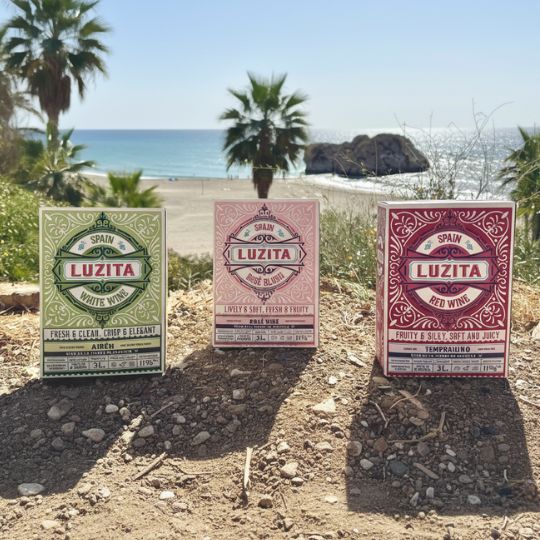
A great example of refined craftsmanship is Luzita Rosé Wine, a vibrant, elegant rosé that embodies balance, freshness, and Mediterranean charm.
Bottling and Resting
Once the winemaker is satisfied, the wine is filtered once more and bottled under carefully controlled conditions to preserve its freshness.
Most rosés are released young, often within the same year of harvest, so they can be enjoyed at their most vibrant. However, some premium rosés benefit from a short period of resting in bottle, which allows the flavors to integrate and the texture to soften.
What Makes Rosé wine Unique?
Now that we’ve explored how rosé wine is made, it’s easy to understand why each one looks and tastes slightly different. Every decision — from grape selection to maceration time — shapes the final result.
Pale Rosés. Typically dry, crisp, and elegant, with notes of strawberry, raspberry, and citrus.
Medium or Deeper Rosés. Richer and more intense, with flavors of ripe cherry, plum, or even spice.
Sparkling Rosés. Effervescent and refreshing, offering lively bubbles and subtle red fruit aromas.
The beauty of rosé lies in its diversity. It can be enjoyed as an aperitif, paired with seafood and salads, or served alongside grilled dishes and Mediterranean cuisine. Its versatility makes it a favorite for all seasons, not just summer.
Sustainability and Modern Winemaking
Modern rosé production increasingly embraces sustainable practices. Many producers use organic or biodynamic farming methods, reduce water use, and minimize intervention in the cellar.
Technological advances also enhance control over temperature, color, and fermentation, allowing winemakers to craft precise, consistent wines while respecting the environment.
This blend of tradition and innovation defines the next generation of rosé — wines that are not only beautiful but responsibly made.
From Vineyard to Glass: The Essence of Rosé
Understanding how rosé wine is made reveals the care and craft behind every bottle. It’s not a byproduct or halfway point between red and white; it’s a deliberate, expressive style in its own right.
From the early morning harvests to the gentle maceration, every step is designed to capture freshness, balance, and elegance. The result is a wine that reflects both the land and the winemaker’s touch.
Rosé is more than a trend. It’s a celebration of simplicity and pleasure — a wine that invites you to slow down, savor the moment, and enjoy the beauty in every shade of pink.
Which grapes are used to make rosé wine?
In summary
Rosé wine is made from red grapes through limited skin contact or blending methods. The process includes careful grape selection, gentle crushing, short maceration, cool fermentation, and precise bottling. Each decision shapes its color, aroma, and taste, resulting in wines that range from pale and delicate to rich and expressive.
Next time you raise a glass of rosé, you’ll know the thoughtful craftsmanship behind its effortless charm.