SPANISH HALAL WINES CERTIFICATED
This certification is more than a label. It reflects a deep commitment to quality, transparency, and respect for Islamic community.
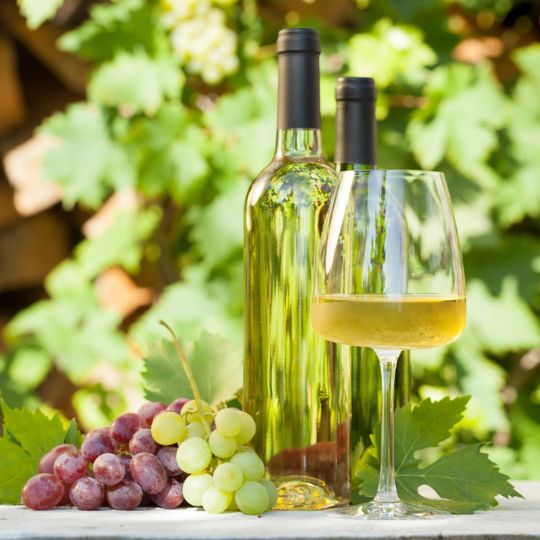
Determining whether Vitis vinifera — the common grapevine — is halal is important for those who follow Islamic dietary guidelines. Grapes, which are mentioned in the Qur’an, hold a special place and are inherently considered halal. However, their permissibility ultimately depends on how they are grown, processed, and used.
What is the halal certificate?
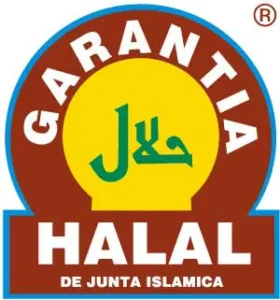
The Halal Certificate is an official document issued by the Muslim community in Spain. It confirms that a product complies with the dietary and ethical standards of Islamic law — from ingredients and production to storage and handling. The certification was made possible by a 1992 Cooperation Agreement between Spanish authorities and representatives of religious communities with recognized legal status (Law 26/92, published in Spain’s Official State Gazette on 12/11/92). To ensure the highest standards, the Islamic Board created the Halal Institute, the organization responsible for auditing and granting the certificate.
What does “Halal” means?
In Arabic, Halal means “permitted” or “lawful.” It also carries deeper meanings: wholesome, ethical, respectful, and healthy. Anything not permitted is known as Haram.
To be considered Halal, a product must comply with:
- Teachings from the Qur’an
- Traditions of the Prophet Muhammad
- Interpretations by Islamic jurists
- Applicable national and international regulations
Is There Such a Thing as Halal Red Wine?
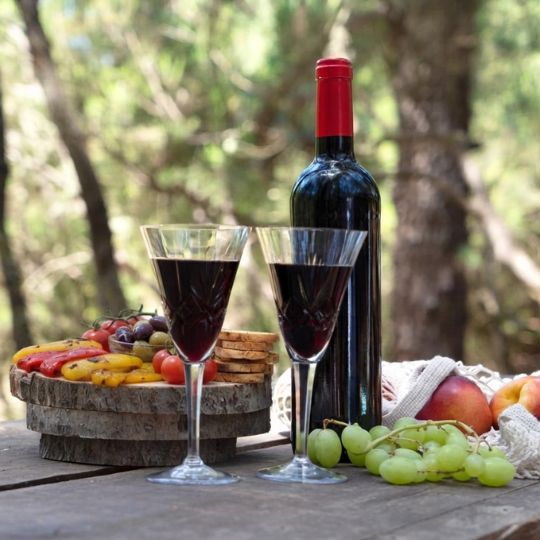
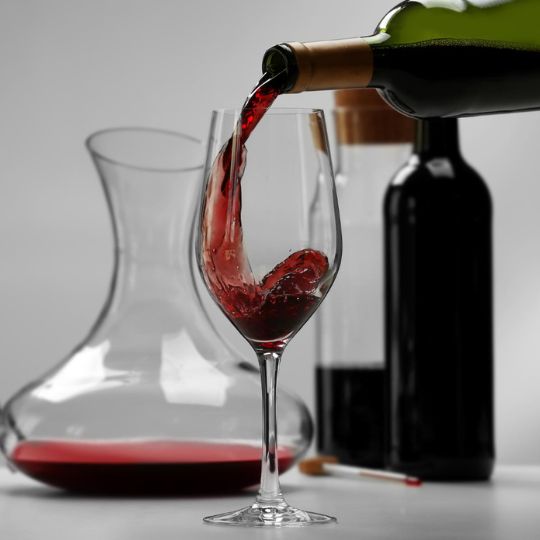
Yes, there are halal red wines made from grape varieties such as Merlot or Tempranillo that have been completely dealcoholized. Brands like Lussory and Señorío de la Tautila offer 0.0% alcohol red wines with halal certification, preserving the organoleptic qualities of traditional wine

What Type of Wine Is Halal?
Halal wine is a beverage that has been fully dealcoholized, meaning it contains 0.0% alcohol. It is made from traditional wine that undergoes processes such as vacuum distillation or reverse osmosis to remove all alcohol content. To be considered halal, in addition to being alcohol-free, it must have official certification that ensures compliance with Islamic production standards
What Makes Our Wines Halal?
To meet Halal standards, our wines are:
- Produced and stored using equipment and materials that comply with Islamic law and food safety regulations in Spain, the EU, and destination countries
- Free from any contact with Haram (forbidden) substances at every stage — from production to storage and transport
- Non-alcoholic and free from toxic or intoxicating plants
- Made without additives such as E-422, E-441, E-470 to E-483, or E-542
- Limited in use of E-120, which must not exceed 0.006% of the final product
- Fully traceable, with all ingredients clearly identified and their origin documented
- Alcohol-free, with no fermented grapes used at any point
- Produced as juice: still wines use low-sugar juice, and sparkling wines are carbonated juices
What Is a Halal Substitute for Red Wine?
For cooking, you can use alternatives such as red wine vinegar (ensuring it is halal), pomegranate juice, cranberry juice, or vegetable broth. These options provide acidity and flavor to dishes without containing alcohol
As for beverages, dealcoholized red wines with halal certification are the closest alternative to traditional red wine, offering a similar taste and aroma experience without violating Islamic guidelines.
Halal Private Label Wines
Explore our private label services and produce Halal-certified wines under your own brand
When Can the Halal Label be used?
Before a wine carries the Halal label:
- It must pass rigorous laboratory testing to ensure there’s no trace of DNA from Haram substances
- A Halal Institute auditor verifies that our quality and production systems meet all Halal requirements
- Full traceability must be demonstrated for each certified product
Only then can we label our wines with the Halal seal — complete with a company registration number and consumer support contact.
Is Wine with 0% Alcohol Halal?
Yes, as long as it is certified halal. It is important to distinguish between wines labeled as “non-alcoholic,” which may contain up to 0.5% alcohol, and those labeled 0.0% alcohol. Only the latter, which are entirely alcohol-free and halal certified, are permissible under Islamic law
How Long Is the Halal Certification Valid?
Halal certification is time-limited and subject to annual audits by ENAC-accredited inspection bodies. We also maintain a comprehensive Halal Procedures Manual, approved by the Halal Institute, which details every step of our winemaking process. Each quarter, we submit detailed reports on raw materials, production logs, finished product distribution, and sales.
WHY IT MATTERS the halal wine?
With over 1.8 billion Muslims around the world, Halal certification is not just a requirement — it’s a gesture of respect. It ensures our wines are made in a way that honors religious beliefs, ethical standards, and cultural values. Whether you’re curating a custom private label wine or exploring our diverse wine collection and wholesale wines, carrying the Halal seal allows InterBrosa Family Wines to affirm its dedication to inclusivity, integrity, and trust.