Wine Tasting Notes: The Ultimate Guide to Mastering Wine Flavors
Unlock the art of tasting with confidence. This guide takes you through the world of wine flavors, aromas, and textures, helping you recognize the subtle differences that make each glass unique. From fruity and floral notes to earthy and spicy undertones, you’ll learn how to identify and describe what you experience. Whether you’re a beginner or an enthusiast, these insights will sharpen your palate and enrich every sip.
What Are Wine Tasting Notes?
Tasting notes are descriptions that capture the sensory experience of drinking wine. They help translate what your nose, palate, and memory perceive into words. A good note highlights the wine’s aroma, flavor, structure, and finish, giving you a snapshot of its personality.
4 Steps of Wine Tasting
Look
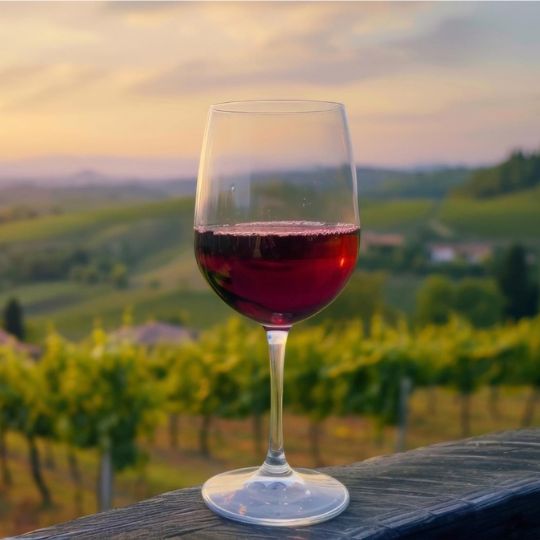
Examine the wine’s color and clarity.
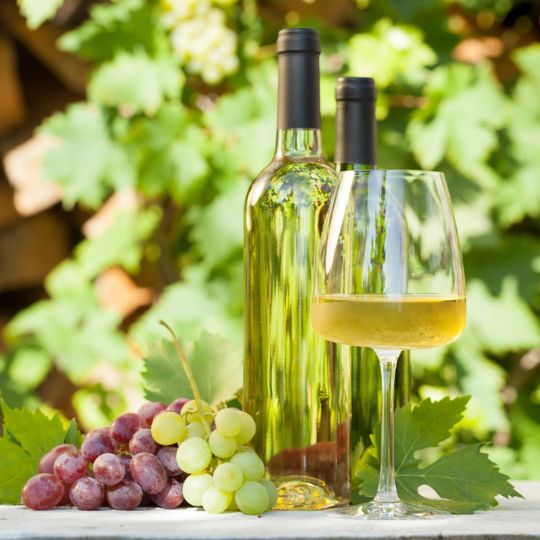
White wines may vary from a light straw hue to a rich golden shade.
Rosés span from delicate pink to vibrant salmon.
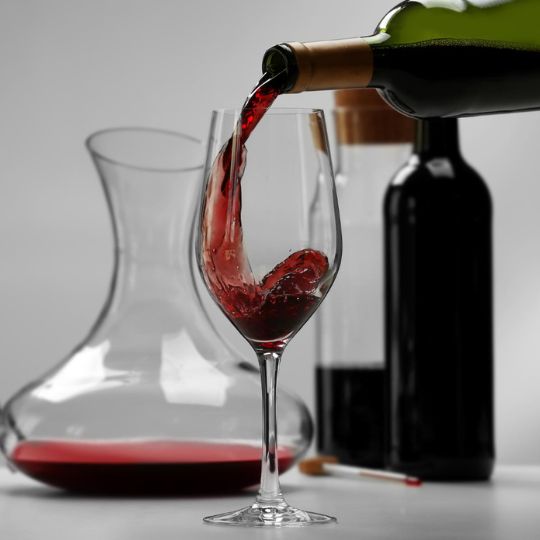
Red wines vary from light ruby to deep purple.
The color can give clues about age, grape variety, and style.
Smell
Swirl the glass and take in the aromas. Wines often reveal primary notes (fruit, floral, herbal), secondary notes (from winemaking, like yeast or creaminess), and tertiary notes (developed with age, like leather, nuts, or dried fruit).
Taste
Take a sip and let it coat your palate. Pay attention to:
Fruit character: berries, citrus, stone fruit, tropical hints.
Non-fruit notes: spices, herbs, flowers, minerality.
Balance: the play between acidity, sweetness, tannins, alcohol, and body.
Finish
Notice how long the flavors linger after swallowing. A long, layered finish often signals complexity and quality.
Key Elements of wine Tasting Note
Aroma. What you smell before tasting.
Flavor. The main impressions on your palate.
Body. The weight or texture of the wine (light, medium, full).
Acidity. Freshness or crispness.
Tannins. The structure and grip (mainly in reds).
Sweetness. From bone-dry to lusciously sweet.
Finish. The length and persistence of flavors.
Common Wine Flavors and Aromas
White Wines
Citrus: lemon, lime, grapefruit
Orchard: apple, pear, peach
Tropical: pineapple, mango, passion fruit
Floral: jasmine, honeysuckle
Minerality: chalk, flint
Rosé Wines
Red berries: strawberry, raspberry
Watermelon, pomegranate
Floral touches: rose, violet
Red Wines
Red fruit: cherry, raspberry, strawberry
Dark fruit: blackberry, plum, blackcurrant
Spices: pepper, clove, cinnamon
Earthy notes: tobacco, leather, mushrooms
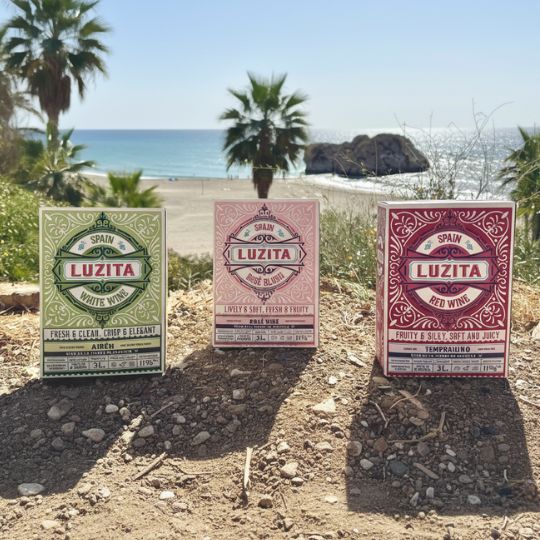
Enjoy our Spanish white wines
Refreshing, crisp and elegant.
How to Describe Wine Tasting Notes
Begin with the structure — mention aspects such as body, acidity, tannins, and alcohol.
Identify fruit and aromas — describe the primary scents and flavors that stand out.
Add secondary and tertiary notes — refer to characteristics from winemaking or aging, such as oak influence, spice, or earthy tones.
Conclude with the overall impression — summarize the balance, length, and elegance of the wine.
Final Thoughts
Mastering wine tasting notes is not about memorizing a list of flavors but about training your senses to notice details. With practice, you’ll gain confidence in describing wines and, more importantly, enjoy them on a deeper level.
Professionals like Interbrosa, who specialize in wholesale wines, rely on well-crafted tasting notes not only to evaluate wines but also to communicate their character to restaurants, shops, and clients. Taking inspiration from this professional approach can help any wine enthusiast refine their palate and develop a richer, more structured wine vocabulary.