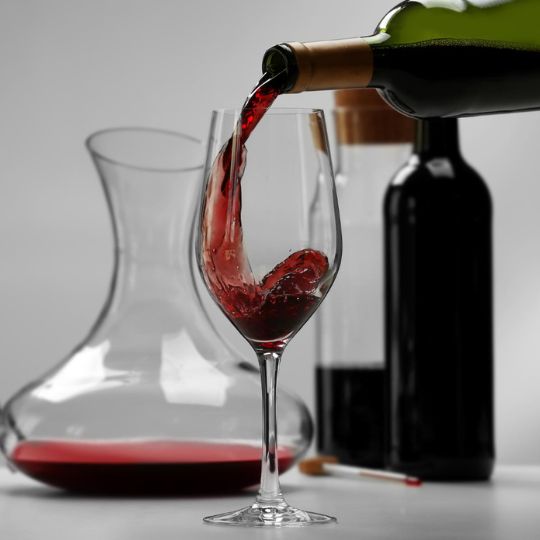
TOP WINE PRODUCERS IN THE WORLD BY COUNTRY AND REGION (2025)
Wine is more than a beverage — it’s a reflection of climate, culture, and craft. In 2024, global wine production dropped to its lowest level since 1961, but the top wine producers in 2025 still turned out some of the most expressive and distinctive wines on Earth. Let’s explore who made the most wine and what makes each country’s bottles so worth discovering.
ITALY
20,4% of global wine production (47 million hectolitres)
Italy takes the crown in 2025, was the biggest wine producer in the world, rebounding with a strong harvest and reaffirming its place as the heart of European winemaking. From the rolling hills of Tuscany to the volcanic soils of Sicily, wine is woven into Italian life.
Why it’s unique: Home to more than 400 native grape varieties and a winemaking tradition that varies from village to village.
Try this: A glass of Nero d’Avola from Sicily or a crisp Vermentino from Sardinia.
FRANCE
15.5% of global wine production (35.9 million hectolitres)
Despite a tough year with hail, rain, and disease affecting several regions, France continues to define wine excellence. Its appellation system, refined winemaking practices, and historic vineyards are benchmarks worldwide. France remains the top wine producers countries year after year.
Why it’s unique: The birthplace of terroir-focused wines and home to some of the most prestigious wine regions in the world.
Try this: A delicate Pinot Noir from Burgundy or a traditional-method Champagne.
SPAIN
12.7% of global wine production (29.4 million hectolitres)
Spain made a strong recovery this year, with healthy volumes coming out of Castilla-La Mancha and beyond. The country remains the global leader in organic vineyards and continues to explore lesser-known native varieties.
Why it’s unique: The largest vineyard area of spanish wine in the world and a rich tradition of aging red wines under strict classifications. Spain is undeniably one of the top wine producers in the global wine market.
Try this: A bold Tempranillo or a crisp Airén from Castilla La Mancha.
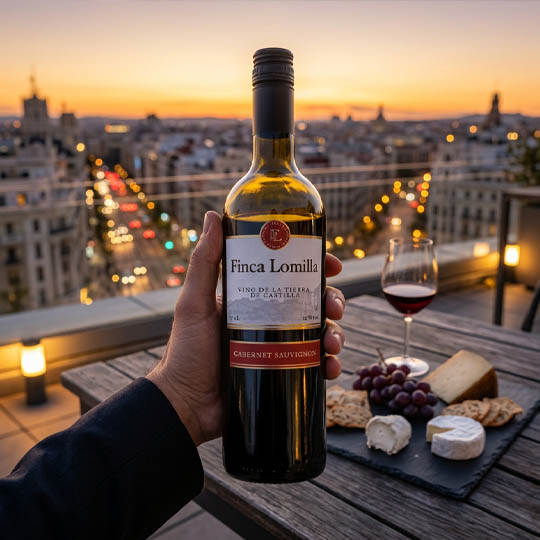
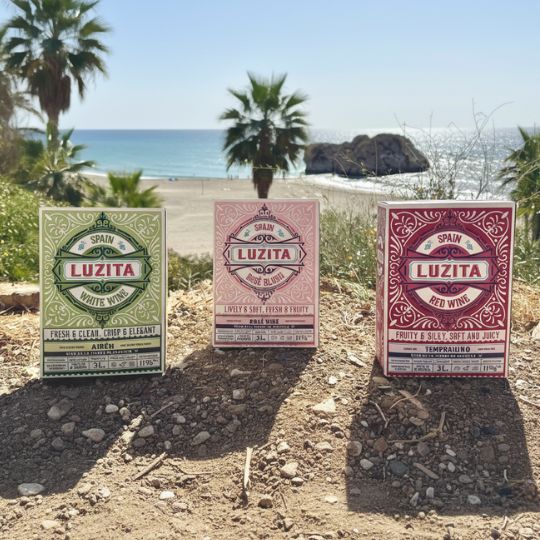
Enjoy our Vino de la Tierra de Castilla wines
Explore our big selection of VDLT de Castilla wines, straight form the heart of Spain
UNITED STATES
10.3% of global wine production (24 million hectolitres)
American wine is as diverse as the country itself. While California leads the way, every state now makes wine — and new regions like Texas Hill Country and Michigan are rising fast. The U.S. continues to be a key player among top wine producers.
Why it’s unique: A spirit of innovation paired with serious craftsmanship, especially in California’s coastal regions.
Try this: A bold Napa Valley Cabernet Sauvignon or a Willamette Valley Pinot Noir.
AUSTRALIA
5% of global wine production (11.6 million hectolitres)
After a challenging 2023, Australia saw a small rebound. Its producers continue to deliver a range of vibrant wines, from bold Shiraz to racy Rieslings, often with a laid-back yet precise approach.
Why it’s unique: Distinctive regions shaped by extreme climates, with expressive wines built for both easy enjoyment and aging.
Try this: A peppery Shiraz from Barossa or a dry Riesling from Clare Valley.
ARGENTINA
4.6% of global wine production (10.7 million hectolitres)
Argentina’s high-altitude vineyards had a strong year, offering rich, expressive wines shaped by sunshine and mountain breezes. Mendoza remains its powerhouse, with quality rising in emerging areas.
Why it’s unique: Vineyards planted thousands of meters above sea level bring natural freshness and concentration to the wines.
Try this: A full-bodied Malbec from Uco Valley or a bright, floral Torrontés.

SOUTH AFRICA
3.8% of global wine production (~8.8 million hectolitres)
South Africa combines Old World soul with New World energy. While volumes dipped, its wine identity continues to evolve, with focus on terroir-driven whites and age-worthy reds.
Why it’s unique: Centuries-old vineyards, diverse soils, and a mix of classic and unconventional grape varieties.
Try this: A textured Chenin Blanc from Swartland or a smoky Pinotage from Stellenbosch.
CHILE
3.6% of global wine production (~8.4 million hectolitres)
Chile’s long, narrow shape offers winemaking diversity from north to south. Its stable climate and natural barriers support clean, sustainable viticulture.
Why it’s unique: A winemaking paradise nestled between the Andes and the Pacific Ocean, with minimal disease pressure and diverse growing zones.
Try this: A silky Carmenère or a bright Sauvignon Blanc from Casablanca Valley.

GERMANY
3.1% of global wine production (7.3 million hectolitres)
Germany had a slightly challenging year, but its Rieslings continue to be some of the most expressive whites in the world. Its cool-climate reds are also gaining global attention.
Why it’s unique: Steep, slate-soil vineyards along winding rivers give wines intense purity and natural acidity.
Try this: A dry Riesling from the Mosel or a Spätburgunder (Pinot Noir) from Baden.
PORTUGAL
2.7% of global wine production (6.2 million hectolitres)
Portugal remains one of the most exciting wine countries for discovery. From fortified Ports to vibrant still wines, it offers a depth of character few can match.
Why it’s unique: Hundreds of native grape varieties and a long history of artisanal winemaking.
Try this: A Touriga Nacional blend from the Douro or a refreshing Vinho Verde.
Top Wine Producers in the World 2025 Comparison Table
| Country | Global Wine Production Share | Production Volume | Key Wine Regions | What Makes It Unique | Wine to Try |
|---|---|---|---|---|---|
| Italy | 20.4% | 47 million hl | Tuscany, Sicily, Sardinia, Piedmont, Veneto | More than 400 native grape varieties and a deep winemaking tradition that changes from region to region. | Nero d’Avola from Sicily or Vermentino from Sardinia |
| France | 15.5% | 35.9 million hl | Bordeaux, Burgundy, Champagne, Loire Valley, Rhône | The birthplace of terroir-driven wines and home to some of the world’s most prestigious appellations. | Pinot Noir from Burgundy or traditional-method Champagne |
| Spain | 12.7% | 29.4 million hl | Castilla-La Mancha, Rioja, Ribera del Duero, Priorat, Rías Baixas | The largest vineyard area in the world, strong organic wine production, and a rich culture of aged red wines. | Tempranillo or Airén from Castilla-La Mancha |
| United States | 10.3% | 24 million hl | California, Oregon, Washington, Texas, Michigan | A highly innovative wine industry with great diversity across climates, styles, and regions. | Napa Valley Cabernet Sauvignon or Willamette Valley Pinot Noir |
| Australia | 5% | 11.6 million hl | Barossa Valley, Clare Valley, Margaret River, Hunter Valley | Extreme climates and expressive wines, from bold reds to vibrant cool-climate whites. | Shiraz from Barossa or Riesling from Clare Valley |
| Argentina | 4.6% | 10.7 million hl | Mendoza, Uco Valley, Salta, Patagonia | High-altitude vineyards that create wines with freshness, concentration, and intense fruit character. | Malbec from Uco Valley or Torrontés |
| South Africa | 3.8% | ~8.8 million hl | Stellenbosch, Swartland, Paarl, Walker Bay | Old World heritage combined with New World energy, diverse soils, and expressive terroir-driven wines. | Chenin Blanc from Swartland or Pinotage from Stellenbosch |
| Chile | 3.6% | ~8.4 million hl | Casablanca Valley, Maipo Valley, Colchagua Valley, Aconcagua | Natural protection from the Andes, Pacific Ocean, and desert supports clean and sustainable viticulture. | Carmenère or Sauvignon Blanc from Casablanca Valley |
| Germany | 3.1% | 7.3 million hl | Mosel, Rheingau, Baden, Pfalz | Cool-climate vineyards, steep slopes, slate soils, and some of the world’s most precise white wines. | Dry Riesling from the Mosel or Spätburgunder from Baden |
| Portugal | 2.7% | 6.2 million hl | Douro, Vinho Verde, Alentejo, Dão | Hundreds of native grape varieties and a long tradition of fortified and artisanal winemaking. | Touriga Nacional blend from the Douro or Vinho Verde |
Last Step
If you are looking to explore more options in the world of wine, consider the benefits of Private Label Wine or purchasing wholesale red wine, wholesale white wine, bag in box wine or Wholesale Wines. These options provide greater flexibility, variety, and the potential for cost-effective sourcing for those in the wine business or enthusiasts seeking to create their own wine collections.