Is Wine Gluten Free?
Wine is widely considered a gluten-free beverage, making it a popular choice for people who follow a gluten-free diet. Because it is traditionally produced from fermented grapes, wine does not naturally contain gluten. That said, in rare situations, very small traces of gluten may be present due to certain production processes or added ingredients.
Why Wine Is Naturally Gluten Free
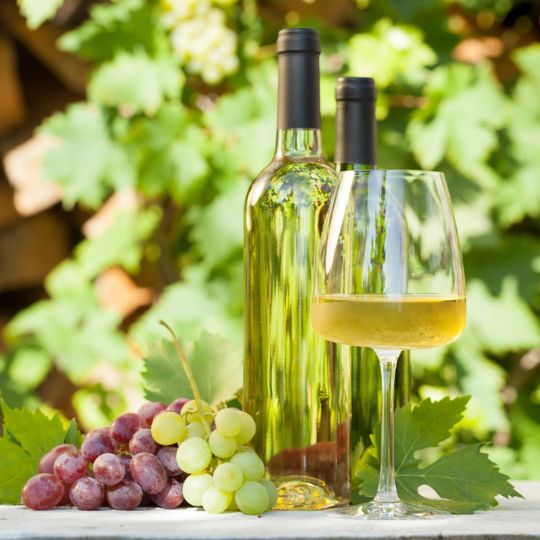
Wine is produced through the fermentation of grapes, yeast, and water — none of which contain gluten. Unlike beer, wine does not use wheat, barley, or rye in its core production process.
Because of this, plain red, white, rosé, and sparkling wines are considered gluten free by default.
Can Wine Contain Gluten?
In very rare cases, trace gluten may be introduced during production:
- Barrel sealing: Some older oak barrels are sealed with wheat-based paste
- Flavoring additives: Certain dessert or flavored wines may include additives
- Cross-contamination: Shared facilities with beer or spirits
That said, most commercial wines test below 20 ppm, which meets the FDA’s gluten-free standard.
Is Wine Safe for People With Celiac Disease?
For the majority of people with celiac disease, standard wine is safe to drink.
Studies show that even wines aged in oak barrels sealed with wheat paste typically contain gluten levels far below detectable or harmful thresholds.
If you are extremely sensitive, look for:
- Wines labeled “gluten free”
- Wines aged in stainless steel tanks
- Reputable producers and exporters of high-quality wholesale wines
Gluten-Free Wine vs. Flavored Wine Drinks
Not every drink labeled “wine” is the same from a gluten-free perspective. Traditional wines are typically gluten free because they’re made from fermented grapes. The risk tends to appear when a product becomes a wine-based beverage—for example, when flavors, sweeteners, colors, or thickeners are added.
Below is a quick comparison to help you spot the difference:
| Category | Examples | Gluten Risk Level | Why |
|---|---|---|---|
| Traditional wines (usually gluten free) | Red wine, White wine, Rosé | Low | Made from fermented grapes with minimal additives |
| Sparkling wines (usually gluten free) | Champagne, Prosecco, Cava, Sparkling rosé | Low | Same base process as wine; typically no gluten-containing ingredients |
| Wine-based flavored drinks (may contain gluten) | Wine coolers, flavored spritzers, canned wine cocktails | Medium | May include flavorings, malt-based ingredients, or shared production lines |
| Sangria with added flavors (may contain gluten) | Bottled/canned sangria, pre-mixed sangria | Medium | Can include added syrups, flavor concentrates, or stabilizers |
| Dessert/aromatized wines (sometimes risky) | Some dessert wines, aromatized/fortified products with additives | Medium–High | May contain coloring, thickeners, or other additives depending on brand |
If a wine has added flavors or sweeteners, always check the label (or ask the producer). This matters even more when working with international Spanish wine exporters, since labeling rules and ingredient disclosures can vary by market.
Which wines are not gluten-free?
Most “classic” wines are gluten free, but these are the most common exceptions where gluten risk increases:
- Wine coolers and wine cocktails (often contain malt or additives)
- Pre-bottled/canned sangria (may include flavorings, stabilizers, or malt-based components)
- Dessert wines with thickeners or added flavor systems (brand-dependent)
- Any wine with “natural flavors,” caramel color, or unidentified stabilizers (needs label verification)
If it’s marketed as flavored, mixed, or ready-to-drink, treat it as “verify first.”
What alcohol is high in gluten?
Gluten is highest (or most likely present) in alcohol made from gluten-containing grains, especially when the final product retains grain proteins.
Highest risk / most likely to contain gluten
- Beer (made from barley/wheat; standard beer is not gluten free)
- Malt beverages (alcopops, malt coolers, malt-based seltzers)
- Some flavored alcoholic drinks that use malt as a base
Often safe (but depends)
- Distilled spirits (vodka, gin, rum, tequila, whisky): distillation generally removes gluten proteins, but flavored versions may add ingredients after distillation.
- Hard seltzers: gluten status depends on whether the base is fermented sugar (often gluten free) or malt (not gluten free).
Conclusion
In most cases, wine is naturally gluten free because it’s made from fermented grapes rather than gluten-containing grains. The main exceptions are flavored or ready-to-drink wine products, where added ingredients may introduce gluten—so label checks are always recommended for sensitive consumers.
For businesses looking for transparency and quality, Interbrosa, a Spanish wine exporter, provides access to premium wholesale wines and customized private label wine solutions, helping ensure confidence in both sourcing and product information.