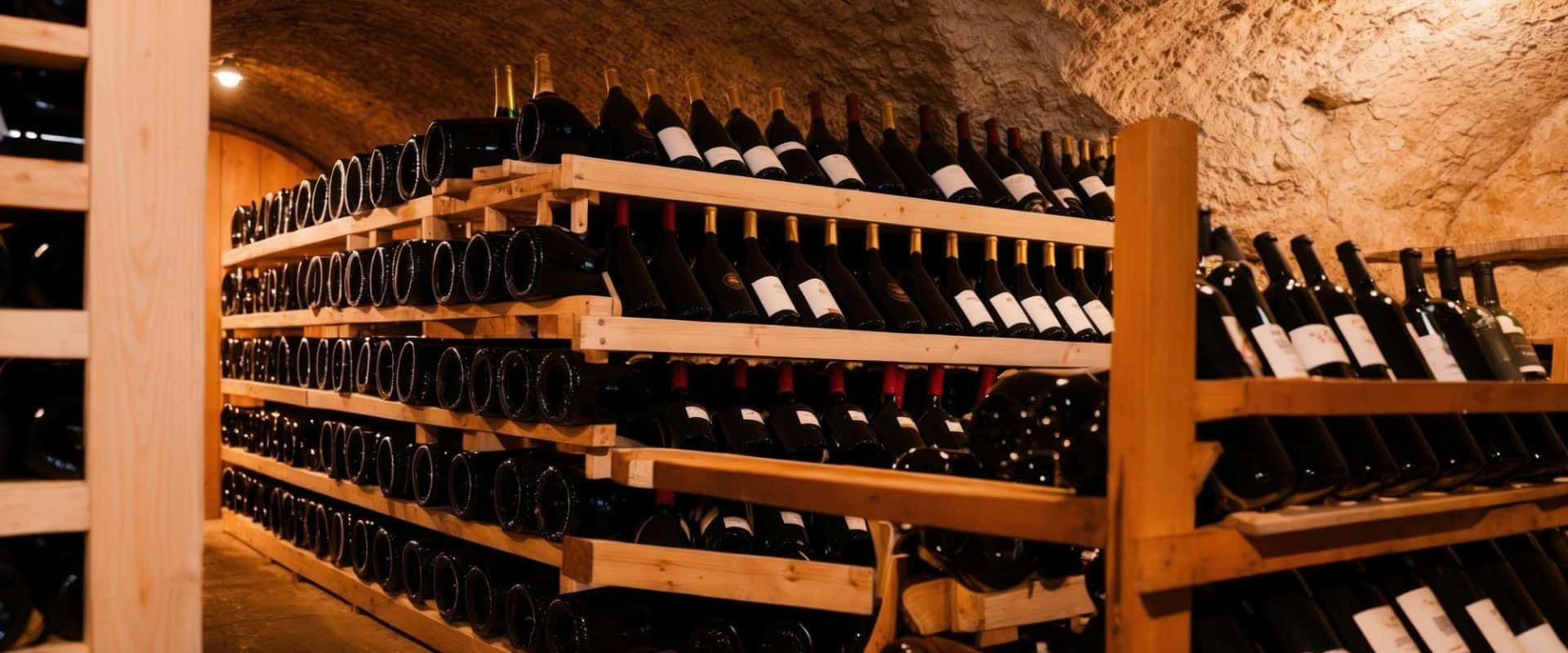
What Temperature Should a Wine Cellar Be?
A wine cellar should usually be kept at around 13°C (55°F) for long-term wine storage. This temperature is widely considered the ideal benchmark because it allows wine to age slowly, steadily and safely without accelerating oxidation or disturbing the balance of aromas, flavours and structure.
For most private cellars, wine rooms and professional storage spaces, the best wine cellar temperature range is between 10°C and 15°C (50°F to 59°F). Within this range, wines can mature gradually while being protected from heat, sudden temperature changes and excessive cold.
The exact number matters, but consistency matters even more. A stable cellar environment is one of the most important factors in preserving the quality, value and ageing potential of a wine collection.
Ideal Wine Cellar Temperature
The ideal wine cellar temperature is approximately 13°C (55°F).
As a general rule:
| Storage factor | Recommended condition |
|---|---|
| Ideal wine cellar temperature | Around 13°C / 55°F |
| Safe long-term storage range | 10°C–15°C / 50°F–59°F |
| Upper limit to avoid for ageing wines | Prolonged storage above 18°C / 64°F |
| Ideal relative humidity | Around 60%–70% |
| Light exposure | Minimal; avoid direct sunlight and UV rays |
| Vibration | As little as possible |
| Bottle position | Horizontal for cork-sealed bottles |
This environment is suitable for red, white, rosé and sparkling wines intended for storage. Serving temperatures are different from storage temperatures, so wines can be chilled or warmed slightly before drinking depending on their style.
Why 13°C / 55°F Is Considered Ideal
Wine is a living product that continues to evolve inside the bottle. Temperature influences the speed of this evolution. If the cellar is too warm, wine may age too quickly. If it is too cold, development can slow down too much, and very low temperatures may affect closures or even cause expansion if wine freezes.
A cellar temperature of around 13°C (55°F) offers a balanced middle point. It is cool enough to slow down chemical reactions, but not so cold that maturation is completely restricted. This is especially important for wines designed to age, such as fine reds, structured whites, vintage sparkling wines and fortified wines.
For collectors, restaurants, wine merchants or anyone storing bottles for more than a few months, this temperature helps protect both drinking quality and long-term value.
Is the Same Cellar Temperature Good for Red and White Wine?
Yes, red, white, rosé and sparkling wines can generally be stored at the same long-term cellar temperature. The common confusion comes from the difference between storing wine and serving wine.
Storage temperature is about preservation. Serving temperature is about enjoyment.
For long-term storage, a stable temperature around 13°C (55°F) works well for most wines. Before serving, each style can then be brought to its ideal drinking temperature:
| Wine style | Storage temperature | Typical serving approach |
|---|---|---|
| Red wine | Around 13°C / 55°F | Allow to warm slightly before serving |
| Full-bodied red wine | Around 13°C / 55°F | Serve slightly below modern room temperature |
| White wine | Around 13°C / 55°F | Chill before serving |
| Rosé wine | Around 13°C / 55°F | Chill before serving |
| Sparkling wine | Around 13°C / 55°F | Chill well before serving |
This is why a single-temperature wine cellar can be perfectly suitable for mixed collections. Dual-zone wine cabinets may be useful for serving convenience, but they are not always necessary for ageing.
Why Temperature Stability Matters More Than Perfection
A wine cellar does not need to stay at exactly 13°C every second of the day. However, it should avoid frequent or dramatic temperature fluctuations.
When wine repeatedly warms and cools, the liquid inside the bottle expands and contracts. Over time, this can place pressure on the cork, weaken the seal and increase the risk of oxygen entering the bottle. Oxygen exposure may lead to premature ageing, stale aromas and loss of freshness.
A stable wine cellar protects the wine from these risks. Small seasonal changes are usually less harmful than daily swings caused by kitchens, garages, utility rooms, sunny rooms or areas near heating systems.
For this reason, the best place to store wine is not always the coldest place. It is the most stable place.
Can a Wine Cellar Be Too Warm?
Yes. A wine cellar can be too warm if it regularly sits above the recommended storage range.
Prolonged exposure to temperatures above 18°C (64°F) can cause wines to age faster than intended. This does not always ruin a bottle immediately, but it can gradually reduce freshness, flatten aromas and make the wine taste more mature than expected.
At even higher temperatures, wine can become “cooked”. This may lead to dull fruit, stewed flavours, loss of balance and visible signs such as seepage around the cork.
Warm storage is especially risky for:
- Fine wines intended for long-term ageing
- Older vintages
- Natural cork closures
- Sparkling wines
- Delicate white and rosé wines
- Wines stored for investment or resale
If a room feels warm to you throughout the year, it is probably not ideal for wine storage.
Can a Wine Cellar Be Too Cold?
A cool cellar is usually safer than a warm one, but wine can also be stored too cold.
Temperatures that are consistently very low can slow the ageing process significantly. This may not be a problem for short-term storage, but it is not ideal for wines that are expected to develop complexity over time.
Domestic refrigerators are also not recommended for long-term wine storage. They are usually colder than necessary, often too dry, and subject to vibration from the compressor. Short-term chilling before serving is fine, but keeping cork-sealed bottles in a standard fridge for months may affect the cork and the wine’s condition.
Freezing temperatures should always be avoided. If wine freezes, the liquid expands and can push out the cork or damage the bottle.
Ideal Wine Cellar Humidity
Temperature is the most important factor in a wine cellar, but humidity is also essential.
The ideal relative humidity for a wine cellar is usually around 60% to 70%. This level helps keep natural corks from drying out, which reduces the risk of air entering the bottle.
If humidity is too low, corks may shrink or lose elasticity. This can compromise the seal and lead to oxidation. If humidity is too high, the wine itself may not be immediately damaged, but labels, wooden racks and cellar surfaces may suffer from mould or mildew.
A good cellar should therefore balance temperature and humidity together. A thermohygrometer is a useful tool because it allows you to monitor both conditions regularly.
Other Conditions for Proper Wine Storage
A proper wine cellar should control more than temperature. The best storage environments are cool, humid, dark, still and clean.
Keep wine away from light
Direct sunlight and UV rays can damage wine over time. Light exposure may speed up ageing and affect delicate aromas, especially in wines bottled in lighter glass. A wine cellar should be dark, or at least protected from direct sunlight and strong artificial light.
Avoid vibration
Wine should rest as quietly as possible. Constant movement or vibration may disturb sediment and interfere with the natural ageing process. Avoid storing wine near washing machines, loud speakers, heavy appliances or high-traffic areas.
Store cork-sealed bottles horizontally
If a bottle is sealed with natural cork, horizontal storage helps keep the cork in contact with the wine. This helps prevent the cork from drying out and supports a tighter seal.
Screwcap bottles do not have the same cork-related requirement, but they still benefit from stable temperature, low light and good storage conditions.
Maintain good ventilation
Strong smells can affect a wine cellar environment, especially if bottles are closed with natural cork. Avoid storing wine near paint, cleaning chemicals, fuel, food with strong odours or damp materials. A clean, well-ventilated cellar helps protect the bottles over time.
Best Places to Store Wine at Home
If you do not have a traditional underground cellar, you can still protect your wine by choosing the most stable place available.
Good options may include:
- A temperature-controlled wine cabinet
- A dedicated wine fridge
- A cool interior cupboard
- A basement with stable conditions
- An insulated wine room
- A dark pantry away from appliances
- Professional off-site wine storage for valuable bottles
Poor storage locations include kitchens, garages, conservatories, windowsills, boiler rooms and areas above fridges or ovens. These spaces often experience heat, light or vibration, which can damage wine over time.
Wine Cellar Temperature Chart
| Situation | Recommended action |
|---|---|
| Long-term wine storage | Keep around 13°C / 55°F |
| Mixed red, white and sparkling collection | Store together at a stable cellar temperature |
| Wine stored for a few weeks | Keep cool, dark and away from heat |
| Wine stored for several years | Use a controlled cellar, cabinet or professional storage |
| Cellar above 18°C / 64°F | Improve cooling or move bottles |
| Cellar with daily fluctuations | Improve insulation or temperature control |
| Very dry cellar | Monitor humidity and consider humidification |
| Very humid cellar | Improve ventilation or consider dehumidification |
Common Wine Cellar Temperature Mistakes
One of the most common mistakes is storing wine at “room temperature”. Modern room temperature is often much warmer than ideal wine storage conditions, especially in heated homes or warm climates.
Another mistake is assuming that red wine should be stored warmer than white wine. This applies more to serving than to storage. For ageing and preservation, both red and white wines benefit from a cool, stable environment.
It is also common to store wine in the kitchen. However, kitchens are often exposed to heat from ovens, appliances and sunlight. For long-term storage, this is usually one of the worst places in the home.
Finally, many people focus only on temperature and forget about humidity, light, vibration and bottle position. A good wine cellar is a complete environment, not just a cool room.
So, What Temperature Should a Wine Cellar Be?
A wine cellar should ideally be kept at around 13°C (55°F), with a stable long-term range of approximately 10°C to 15°C (50°F to 59°F). This temperature is suitable for storing red, white, rosé and sparkling wines, provided that the environment is stable, humid, dark and free from vibration.
For the best results, aim for:
- Around 13°C / 55°F
- Minimal temperature fluctuation
- 60%–70% relative humidity
- No direct sunlight or UV exposure
- Low vibration
- Clean air and good ventilation
- Horizontal storage for cork-sealed bottles
The perfect wine cellar is not just cold. It is consistent. By maintaining the right temperature and surrounding conditions, you give every bottle the best chance to age gracefully, preserve its character and be enjoyed at its full potential.
Conclusion
So, what temperature should a wine cellar be? For most wines, the ideal answer is around 13°C (55°F), with a stable, cool and controlled environment that protects the wine from heat, light, vibration and excessive dryness. Whether you are storing red, white, rosé or sparkling wines, consistency is the key to preserving quality over time.
For businesses, distributors and professionals looking for reliable wine solutions, Interbrosa offers a wide range of wholesale wines, including wholesale red wine and practical formats such as bag in box wines. Choosing the right wine is important, but storing it correctly is what helps maintain its character, freshness and value until the moment it is served.