Spanish Wine Exporters in Asia: The Complete 2026 Guide for Importers and Distributors
Asia is no longer an emerging opportunity for Spanish wine exporters — it is one of the most active growth markets in the world. With zero-tariff agreements already in place for the region’s two largest wine markets, and a middle class with rising disposable income and appetite for quality imported wine, the conditions for sourcing Spanish wine into Asia have rarely been better.
If you are an importer, distributor or HoReCa buyer looking to import Spanish wine to Asia, this guide covers everything you need to know: market size, tariffs, regulations, consumer trends and the product categories performing best in each country.
Why Asia is the next frontier for Spanish wine exporters?
The Asia-Pacific wine market was valued at USD 76.91 billion in 2024 and is projected to reach USD 111.55 billion by 2029 — a compound annual growth rate of 7.72%. That places it among the fastest-growing wine markets in the world.
The drivers are clear:
- Rising disposable income in urban centres across Japan, South Korea, India, Thailand and Vietnam.
- Westernised dining habits and growing exposure to European food culture.
- A younger generation of consumers who view wine as a lifestyle product, not just an occasion drink.
- Premiumisation: consumers are trading up from spirits and beer toward quality imported wine.
For Spanish wine exporters, the timing is particularly favourable. Spain is the world’s largest wine producer by surface area and one of the top exporters by volume. Spanish wines offer something increasingly rare in Asian markets: genuine quality at a competitive price point, with the prestige of European origin — and in the two largest markets, no import tariff at all.
Japan: the most mature wine market in Asia
Japan is the most established wine-drinking culture in Asia and one of the most important export destinations for Spanish wine in Japan.
The numbers tell a clear story:
- Japan produces only around 4% of the wine it consumes domestically.
- The market is projected to grow from USD 9.43 billion in 2024 to USD 15.79 billion by 2035 (CAGR ~4.8%).
- Spain is the third-largest wine exporter to Japan by volume, behind France and Chile.
While entry-level still wines have historically driven volume, sparkling and Frizzante wines are gaining ground, with growing demand for lighter, more accessible sparkling styles.
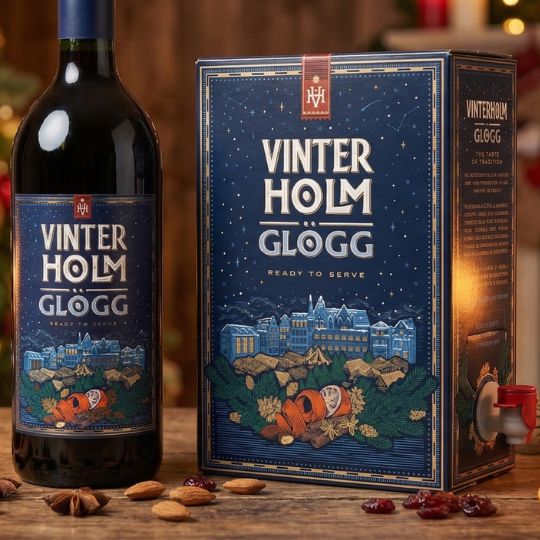
A notable recent trend: in 2024 and into 2025, Japan saw rising demand for bag-in-box wine formats as buyers sought value-oriented options alongside premium labels. For Spanish producers with a strong BIB range, this represents a direct commercial opportunity.
What Japanese buyers look for in a Spanish wine supplier
The Japanese market is known for its high standards and long-term supplier relationships. Buyers in Japan typically prioritise:
- Consistent product quality across batches.
- Reliable logistics and on-time delivery.
- Labelling that complies with Japanese regulations.
- Clear documentation and certifications.
- Willingness to adapt packaging or labelling to local requirements.
Building trust takes time, but once established, relationships with Japanese distributors tend to be durable and high-volume.
Tariffs and regulations: how to export wine to Japan
One of the most compelling reasons to target Japan is the EU-Japan Economic Partnership Agreement (EPA), in force since 2019. Under this agreement, the import tariff on Spanish wine entering Japan is 0% — a significant advantage over producers from countries without a similar agreement.
| Required document | Details |
|---|---|
| VI1 / VI2 certificate | Issued by the competent Spanish authority (MAPA) |
| Phytosanitary certificate | Required for agricultural products |
| Japanese labelling compliance | Alcohol content, ingredients and importer details in Japanese |
| Certificate of origin | Required to claim the 0% tariff under the EPA |
Pro tip for first-time exporters: work with an experienced freight forwarder and a licensed Japanese importer. Mistakes in labelling or documentation are the most common cause of customs delays.
South Korea: the fastest-growing wine market in Asia
South Korea has emerged as one of the most exciting wine markets in Asia — and by growth rate, it is the fastest-moving in the region at a projected CAGR of 5.8%, outpacing Japan, China and most of Southeast Asia.
The profile of the South Korean wine consumer has shifted significantly over the past decade:
- Younger, urban and digitally connected consumers are driving wine culture through social media, restaurants and e-commerce.
- Online wine sales grew double-digit during the pandemic and have sustained that momentum since.
- Premium, organic and sustainable wines are particularly well-positioned.
Korean consumers are increasingly educated about provenance, certifications and production methods — and they are willing to pay a premium for wines that align with their values.
The EU-Korea FTA: another zero-tariff advantage
Like Japan, South Korea has a free trade agreement with the European Union: the EU-Korea FTA, in force since 2011. Spanish wine exported to South Korea also enters at 0% tariff.
This positions Spanish wine in South Korea favourably against competitors from outside the EU, and makes Spain an attractive sourcing partner for Korean importers building out their European wine portfolio.
The Port of Incheon serves the greater Seoul metropolitan area and handles the majority of wine imports into the country.
Trends driving demand in South Korea
Three categories are particularly well-suited to the current South Korean market:
- Organic and sustainable wines. EU organic certification and international awards carry real commercial weight.
- Sparkling and Frizzante.Spanish Frizzante offers an accessible, food-friendly alternative to Prosecco at a competitive price point.
- Low and no-alcohol wine, increasingly relevant as health-conscious consumption rises among younger demographics.
Asian emerging markets: India, Thailand, Vietnam and Singapore
Beyond Japan and South Korea, several Asian markets are developing rapidly and represent meaningful medium-term opportunities for Spanish wine exporters.
India
The most significant emerging wine market in Asia by potential scale:
- Population of over 1.4 billion.
- Rapidly expanding middle class.
- Growing urbanisation in Mumbai, Delhi and Bangalore.
Regulatory complexity remains a challenge — wine is taxed at the state level — but the direction of travel is clearly positive.
Thailand and Vietnam
Both are driven by tourism and a growing hospitality sector. Restaurants, hotels and beach resorts across both countries are active buyers of imported wine, with Spanish wines offering strong value-for-money positioning against French and Italian alternatives.
Singapore
Not large by population, but strategically critical as a regional hub:
- Operates as a free port with 0% tariffs on wine.
- Regional importers use it as a consolidation and redistribution base for Southeast Asia.
- A single Singapore-based distributor can open doors across multiple markets simultaneously.
Which Spanish wines perform best in Asian markets?
Based on market trends and buyer preferences across the region, these are the categories from the Spanish wine portfolio with the strongest fit for Asian export:
Frizzante
Performs particularly well in Japan and South Korea, where demand for lighter sparkling styles is growing. Positioned as an accessible alternative to Prosecco with genuine Spanish character, Spanish Frizzante offers strong value-to-quality positioning for importers building out a sparkling wine range.
Organic wines
Increasingly sought after in Japan and South Korea. EU-certified organic Spanish wines, especially those with international competition recognition, carry strong credibility with Asian buyers focused on quality and sustainability.
Bag-in-box (BIB)
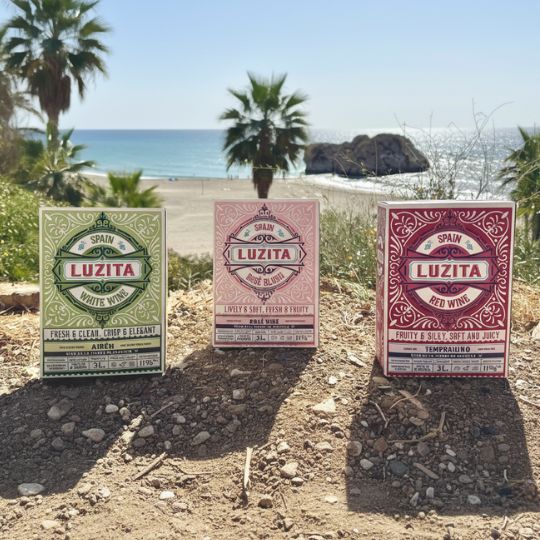
Experiencing genuine growth in Japan as buyers seek more accessible price points without sacrificing quality. For HoReCa buyers — hotels, restaurants and catering operations — BIB offers freshness, lower cost per glass and reduced waste.
Low and no-alcohol wines
Address a clear global trend, particularly relevant in markets with significant Muslim populations (Malaysia, Indonesia) and among health-conscious younger consumers in South Korea and Japan.
Sangria
Has a strong foothold in tourist-facing hospitality across Southeast Asia, particularly in Thailand and Vietnam where European tourists are a major consumer segment.
Private label Spanish wine for Asian distributors
Many importers and distributors in Asia prefer to offer wine under their own label rather than a producer’s brand — either to protect supplier relationships, to build their own brand equity, or to differentiate their offering in a competitive market.
Spanish wine lends itself particularly well to the private label model. With flexible formats, the option to adapt labelling to local language requirements (Japanese, Korean, Thai), and a producer with the capacity to handle custom packaging, Spanish wine becomes a versatile sourcing solution for Asian buyers at any scale.
A custom label approach also simplifies the communication challenge of introducing an unfamiliar Spanish brand to an Asian market. Instead of building awareness for a producer name, the distributor builds awareness for their own brand, supported by the “Product of Spain” origin story.
Tariff comparison for exporting Spanish wine to key Asian markets
| Market | Import tariff | Trade agreement | Key requirement |
|---|---|---|---|
| Japan | 0% | EU-Japan EPA (2019) | VI1 cert + Japanese labelling |
| South Korea | 0% | EU-Korea FTA (2011) | EUR.1 cert + Korean labelling |
| Singapore | 0% | Free port | Standard export docs |
| China | 14% + 13% VAT | No EU-China FTA | Chinese labelling mandatory |
| India | Varies by state | No FTA | Complex import licensing |
| Thailand | ~54% (under review) | No FTA | Distributor licensing required |
How to start importing Spanish wine from Interbrosa FAMILY WINES?
Interbrosa Family Wines has been producing and exporting Spanish wine since 1995. Our portfolio covers the full range of categories relevant to the Asian market:
- Still wines (red, white, rosé)
- Frizzante
- Organic wines
- Bag-in-box formats
- Low-alcohol wines
- Sangria
All available in standard and private label formats.
We work directly with importers, distributors, retail chains and hospitality groups across Asia, offering:
- A full product catalogue with technical sheets and certifications.
- Samples for evaluation before committing to orders.
- Flexible labelling and private label options, including adaptation for local language requirements.
- Export documentation support (VI1, EUR.1, phytosanitary, certificates of origin).
- Logistics coordination to your destination port.
Ready to explore the Spanish wine opportunity for your market? Contact our export team and we will put together a tailored selection based on your market, your customers and your commercial objectives.
Conclusion
Asia is already a strong growth market for Spanish wine, with clear opportunities in Japan, South Korea and emerging Southeast Asian markets. Interbrosa Family Wines helps importers, distributors and HoReCa buyers source quality Spanish wholesale wines, flexible private label wines and practical formats for those looking to buy bag in box wine for their market.