Can You Freeze Wine? How to Freeze Leftover Wine Safely
Yes, you can freeze wine. Freezing wine is safe when it is done properly, especially if you want to save leftover wine for cooking, sauces, marinades or wine-based cocktails. However, freezing is not the best method for preserving the full flavor, aroma and texture of a quality bottle you plan to drink later.
The most important thing to know is this: do not freeze a full, unopened glass bottle of wine. Wine expands as it freezes, which can push out the cork, cause leaks or even crack the bottle. If you want to freeze wine safely, transfer it to a freezer-safe container and leave enough room for expansion.
Can You Freeze Wine?
Yes, you can freeze wine. Because wine contains water, alcohol, acids and sugars, it does not freeze exactly like water, but most still wines will eventually freeze in a standard household freezer.
Freezing wine is useful for saving leftovers, reducing waste and keeping small portions ready for cooking, sauces, stews, marinades or wine-based cocktails. However, it is not the best option for fine, aged or delicate wines, as freezing can affect their aromas, texture and overall balance.
It is also important not to freeze a full, unopened bottle, especially sparkling wine, as the liquid expands and may cause leaks, pushed-out corks or broken glass.
What Temperature Does Wine Freeze At?
Wine usually freezes at a lower temperature than water because it contains alcohol. The exact freezing point depends on the wine’s alcohol by volume, sugar level and overall composition.
As a general guide, many table wines can begin freezing somewhere around -4 °C to -9 °C. A standard home freezer is usually cold enough to freeze wine over time.
Higher-alcohol wines, such as fortified wines, may take longer to freeze or may not freeze as solidly. Sweeter wines can also behave slightly differently because sugar affects the freezing point and texture.
What Happens When Wine Freezes?
When wine freezes, the water content starts turning into ice crystals. As this happens, the liquid expands. This expansion is the main reason freezing wine in its original bottle can be risky.
If there is not enough space inside the bottle, pressure can build up. This may cause:
- The cork to push out.
- The screw cap to leak.
- The bottle to crack.
- Wine to spill inside the freezer.
- Glass fragments to contaminate the wine if the bottle breaks.
The wine itself does not become unsafe simply because it freezes, as long as the container stays intact and the wine has not been contaminated. The bigger concern is quality and packaging safety.
How to Freeze Wine Safely
The safest way to freeze wine is to remove it from the original bottle and store it in small, freezer-safe portions.
1. Do Not Freeze a Full Glass Bottle
Avoid placing a full, unopened bottle of wine in the freezer for long-term freezing. The expansion of the liquid can create pressure inside the bottle.
If you only want to chill wine quickly before serving, the freezer can be used for a short time, but always set a timer.
2. Use a Freezer-Safe Container
Transfer leftover wine to a freezer-safe container with a tight lid. Leave some empty space at the top so the wine can expand as it freezes.
Good options include:
- Freezer-safe jars with headspace.
- Silicone ice cube trays.
- Freezer bags.
- Small plastic food containers.
Avoid thin glass containers unless they are specifically freezer-safe.
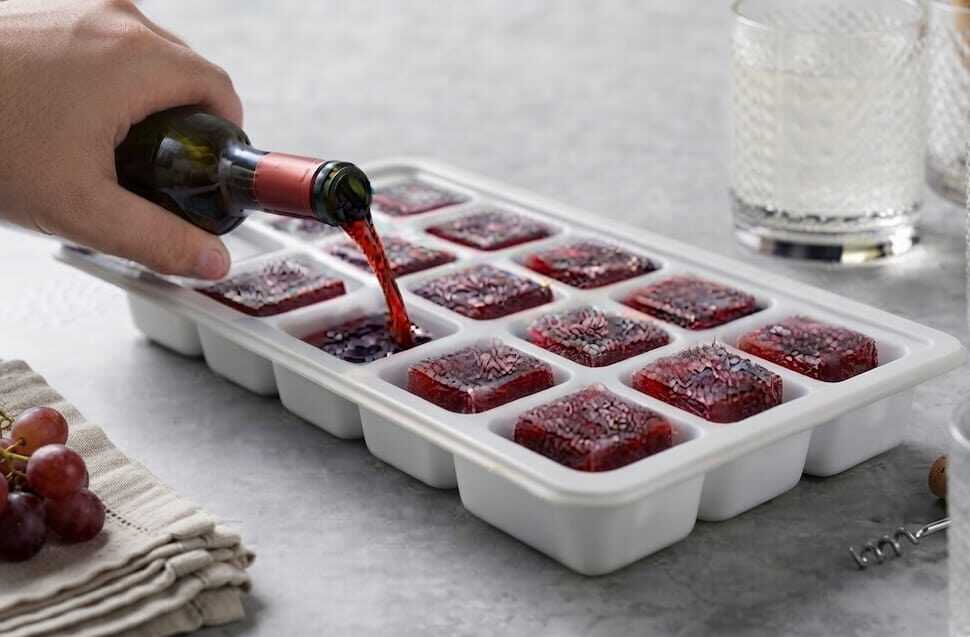
3. Freeze Wine in Ice Cube Trays
One of the best ways to freeze leftover wine is to pour it into ice cube trays. Once the cubes are frozen, transfer them to a sealed freezer bag or airtight container.
This method is practical because you can use small portions without thawing a larger amount. Wine cubes can be added directly to hot pans, sauces, soups or stews.
4. Label the Wine
Label the container with the type of wine and the date it was frozen. This is especially useful if you freeze different wines, such as red, white, rosé or sweet wine.
For example:
- Red wine for stews
- White wine for risotto
- Rosé wine for sangria
- Sweet wine for desserts or reductions
5. Keep It Airtight
Use airtight containers or sealed freezer bags to reduce freezer burn, odor absorption and oxidation. Wine can pick up freezer smells if it is not stored properly.
What Happens When Wine Freezes?
When wine freezes, the water inside it begins to form ice crystals. However, because wine also contains alcohol, sugars and acids, it does not freeze as quickly or as solidly as plain water. In a standard household freezer, most wines will eventually freeze, but the texture may be slightly softer or slushier.
The main risk is expansion. As the wine freezes, the liquid increases in volume, which can push out the cork, cause leaks or even crack the bottle. For this reason, you should never freeze a full, unopened bottle of wine. If you want to freeze leftover wine, transfer it to a freezer-safe container and leave space at the top.
Should You Freeze Wine?
You can freeze wine, but it depends on how you plan to use it.
| Situation | Is Freezing Recommended? | Best Advice |
|---|---|---|
| Leftover wine for cooking | Yes | Freeze in cubes or small containers |
| Fine wine for drinking | No | Store properly and drink soon after opening |
| Full unopened bottle | No | Risk of expansion, leaks or breakage |
| Quick chilling | Yes, briefly | Set a timer and do not forget it |
| Sparkling wine bottle | No | Pressure and carbonation make it riskier |
| Sangria or cocktails | Yes | Use wine cubes to avoid dilution |
How Long Can Wine Stay Frozen?
Frozen wine is best used within three to six months. It may remain safe for longer if stored properly, but its flavor and aroma can gradually decline.
For best quality, use frozen wine for cooking within three months and wine cubes for cocktails or sangria within one to three months. Avoid thawing and refreezing it repeatedly, as this can affect the taste.
Best Uses for Frozen Wine
Frozen wine is especially useful in the kitchen, as it allows you to add small portions of wine to recipes without opening a new bottle. Wine cubes can be added directly to:
- Sauces
- Stews
- Risottos
- Marinades
- Soups
They can also be used to chill sangria, punch or wine-based cocktails without diluting the drink as quickly as regular ice cubes
Can You Chill Wine Quickly in the Freezer?
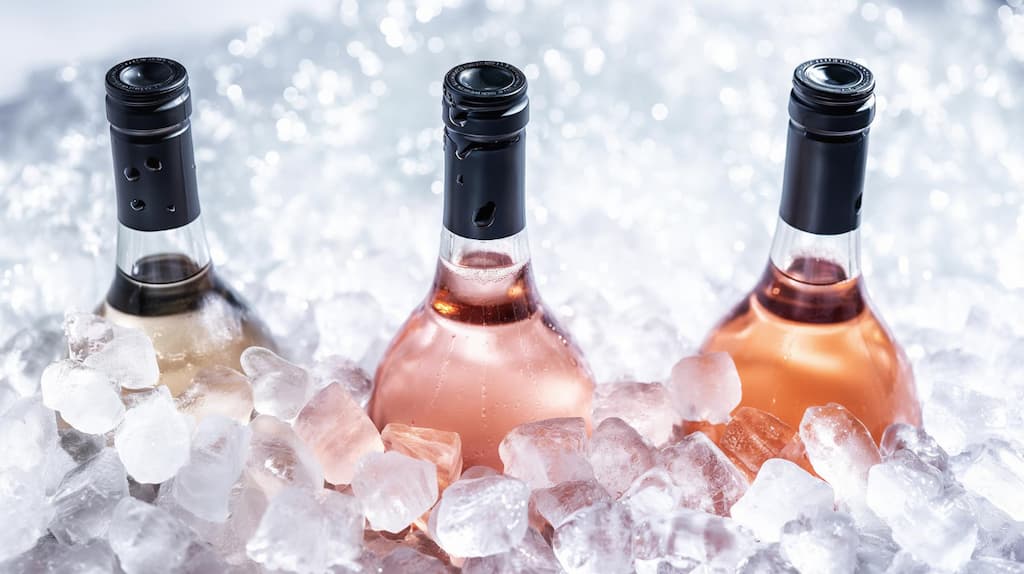
Yes, the freezer is a great way to chill a bottle quickly before serving. A bottle of white, rosé, or sparkling wine can usually reach an enjoyable serving temperature in about 20 to 30 minutes.
Just be sure to set a timer. Forgetting a bottle in the freezer for several hours can lead to leaks, pushed out corks, or broken glass.
The Verdict
So, can you freeze wine? Absolutely. While it is not ideal for preserving fine wine, it is a practical way to store leftovers, reduce waste and keep wine ready for cooking or cocktails.
Just use a freezer-safe container, leave room for expansion and avoid freezing full, unopened bottles.
At Interbrosa, we work with businesses looking for wholesale wine, wholesale red wine and bag in box wines, offering versatile solutions for hospitality, retail and food service.